





-
Home Appliance Market
Committed to providing innovative solutions for the global home appliance industry
- Leading brand in global air conditioning sweep motor market
- A global leader in washing machine drainage systems
- Global Refrigerator lce Water System Solution Provider
Home Appliance Market
Committed to providing innovative solutions for the global home appliance industry
- Customer Cases




- Specific Classfication
 Air Conditioner
 Refrigerator
 Washing Machine
 Kitchen & Bathroom
 Small Home Appliances
-
Auto Parts
Provide motor and mechatronic components for automobiles
- Product advantages of stepper motors for HUD
- Large-scale automotive water pump production capacity
- Automotive air conditioning system solution capabilities
Auto Parts
Provide motor and mechatronic components for automobiles
- Customer Cases




- Specific Classfication
- Air Conditioning System
 Thermal Management
 Intelligent Driving
 Intake & Exhaust System
 Body Control
 Braking System
-
Industrial Control
Provide cost-effective motor and component products in the industrial field
- First-tier brand suppliers in the valve control market
- Domestic security monitoring head enterprise supplier
- Multiple series of products meet different application scenarios
Industrial Control
Provide cost-effective motor and component products in the industrial field
- Customer Cases




- Specific Classfication
 Valve Control
 OA Finances
 Garden Tools
 Industrial Equipment
 Security Monitoring
 Robot
Robot
-
Sports Health
Provide high-quality motors for sports equipment and medical equipment industries
- High-end sports equipment main drive motor supplier
- First-tier brand suppliers in the medical device industry
- Ability to provide solutions such as smart furniture
Sports Health
Provide high-quality motors for sports equipment and medical equipment industries
- Customer Cases




- Specific Classfication
 Sports Equipment
 Medical Instruments
 Game Entertainment
 Smart Home
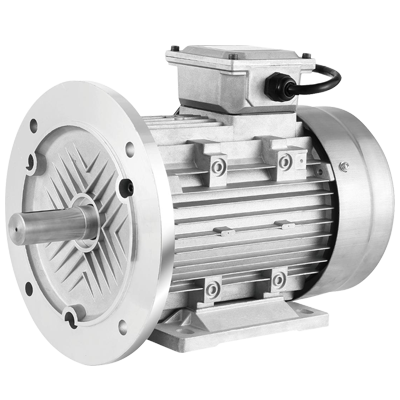
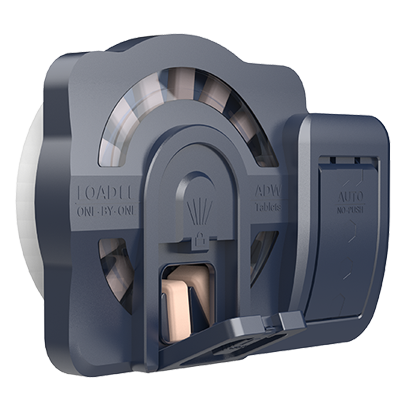
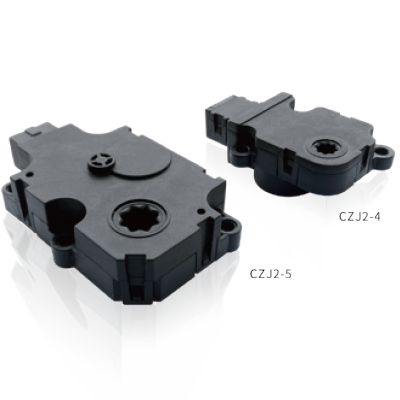




Jiangsu Leili will participate in the 2026 (19th) Beijing International Automotive Exhibition, one of the most influential events in the automotive industry. Through this exhibition, Leili will present its latest products, technologies, and application solutions, while strengthening communication with industry partners and customers from across the automotive supply chain.
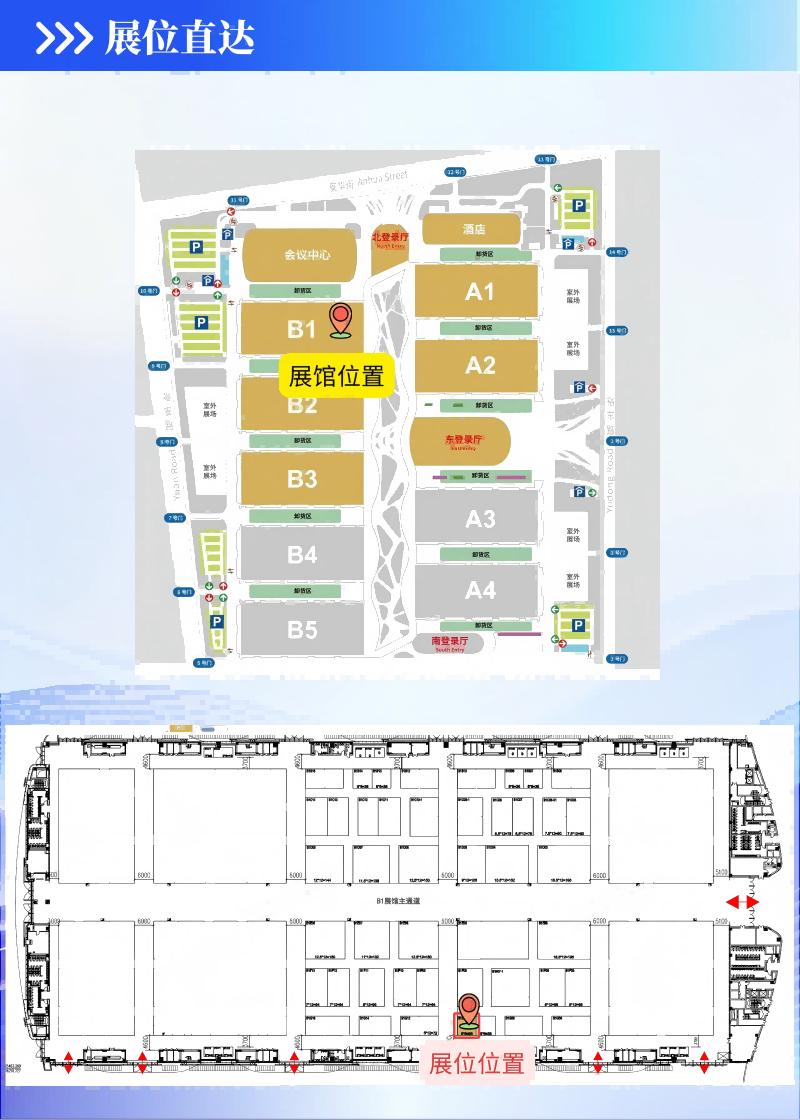
The exhibition will be held from April 24 to May 3, 2026 at the Capital International Exhibition Center in Beijing. According to the event schedule, April 24–25 will be Media Days, April 26–27 will be Trade Visitor Days, and April 28–May 3 will be open as Public Days. During the exhibition, Leili will welcome visitors at Booth B1G10.
As a company focused on motor and related technology solutions, Leili will use this platform to demonstrate its brand strength, product innovation, and industry application capabilities in the automotive sector. The booth design highlights a modern and professional brand image, creating a clear and engaging space for product display, technical communication, and business discussions.
The Beijing International Automotive Exhibition is an important opportunity for enterprises across the automotive industry to showcase innovation, explore cooperation, and stay connected with market trends. By participating in this event, Leili aims to further enhance its industry visibility, expand business opportunities, and build closer relationships with customers and partners.
We sincerely invite industry professionals, partners, and visitors to stop by Leili Booth B1G10 and learn more about the company’s latest developments and automotive-related solutions.
Exhibition Information
Event: 2026 (19th) Beijing International Automotive Exhibition
Dates: April 24 – May 3, 2026
Venue: Capital International Exhibition Center, Beijing
Booth No.: B1G10
Exhibitor: Jiangsu Leili

A permanent magnet synchronous motor should be selected against the speeds, torques, operating hours, and cooling conditions that the machine actually experiences. A useful load profile separates normal production from starting, waiting, cleaning, and exceptional operation, then gives each condition an identifiable duration. This turns a motor inquiry into an engineering decision that can be checked against the proposed motor and drive combination.
Why Does a Nameplate Rating Leave the Selection Incomplete?
The nameplate describes a rated operating condition, while a production machine usually moves through several conditions during a shift. Two machines with the same maximum shaft power can need different motor selections when one runs steadily and the other repeatedly accelerates a large rotating assembly. The difference is especially relevant when an energy estimate is based on operating hours without considering what happens during those hours.
Begin with the available permanent magnet synchronous motor range, but treat the catalogue as a starting point for a duty review. The enquiry should identify the driven equipment, required speed range, supply arrangement, and expected operating environment. A power rating by itself cannot establish inverter compatibility, overload duration, or the suitability of low-speed cooling.
Oversizing also deserves a specific explanation. Additional capacity may be justified by a documented future operating case, but an unspecified allowance can conceal an inaccurate load estimate and increase the cost of the drive, cabling, and mechanical installation. Record the reason for every margin so that the supplier can distinguish required capacity from uncertainty.
Which Operating States Belong in the Profile?
Include states that materially change torque, speed, temperature, or energy consumption. Normal output, reduced output, standby rotation, starting, stopping, and process disturbances should have separate entries when their demands differ. A state that lasts only briefly may have little influence on annual electricity consumption while still determining the necessary peak current.
Ask production staff how the equipment is actually scheduled before selecting a logging period. A single convenient shift can miss weekend operation, seasonal demand, product changes, or a cleaning sequence. The aim is representative coverage, with unusual conditions identified explicitly rather than averaged into normal operation.
| Operating State | Record | Selection Question |
| Normal production | Speed, torque, hours | Can the motor sustain the required output? |
| Reduced production | Actual process demand | Is control stable at this speed? |
| Acceleration | Inertia and ramp time | Is short-duration torque available? |
| Standby | Rotation and auxiliary loads | Can avoidable consumption be reduced? |
| Exceptional operation | Cause, duration, frequency | Is the condition permitted or prohibited? |
Give each entry a source: a logged value, a machine calculation, an operator estimate, or a contractual requirement. These categories should remain visible because they carry different confidence levels. A motor supplier can work with an estimate, but should not be expected to recognize an estimate disguised as a measurement.
What Should Be Measured Before Comparing Energy Use?
Measure electrical input at a clearly identified boundary and connect it to useful process output. For a drive-fed installation, a meter upstream of the inverter includes different losses from a measurement at the motor terminals. Comparing readings from these two locations without adjustment can produce a misleading savings claim.
The US Department of Energy’s guide to determining motor load and efficiency emphasizes the importance of operating hours, loading, and efficiency in evaluating motor energy use. Some methods in that guide address induction motors specifically; their slip-based estimates should not be transferred to a PMSM. Use the general measurement planning principle while choosing a measurement method appropriate to the actual machine.
Where shaft torque cannot be measured directly, document the alternative calculation and its limitations. Pump flow and pressure, for example, can help characterize process demand, but do not by themselves establish motor efficiency because the pump and transmission also have losses. Keep measured electrical input separate from inferred shaft output in the worksheet.
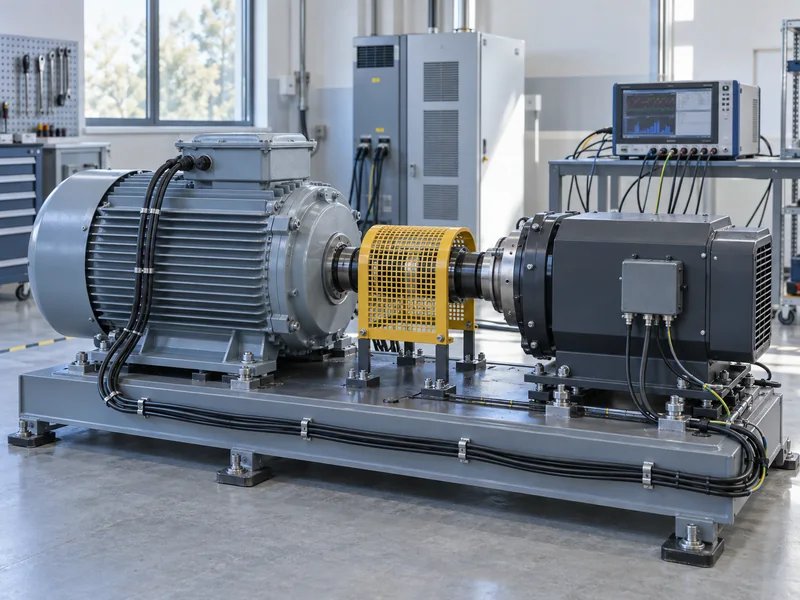
How Can a Duty Table Become an Annual Energy Estimate?
Multiply the measured or justified average input power of each state by its annual hours, then add the results. Use input power for the same system boundary throughout the calculation. Do not multiply rated shaft power by total calendar hours and label the result annual electrical consumption.
Consider an illustrative installation operating for 4,000 hours annually: 2,000 hours at 12 kW input, 1,500 hours at 8 kW, and 500 hours at 3 kW. Its calculated annual consumption is 37,500 kWh before any separately metered auxiliaries outside the chosen boundary. These figures are a calculation example, not Leili product test results or a prediction for another installation.
The candidate replacement needs equivalent input figures at the same operating states. If only rated efficiency is available, the comparison remains incomplete because part-load performance and drive losses have not been established. Request a relevant performance map or an agreed test instead of filling every row with the best catalogue efficiency.
Apply the electricity price only after the energy boundary and operating hours are settled. Demand charges, time-dependent tariffs, and maintenance changes may matter to the business case, but should appear as separate assumptions. This makes the result easier to update when the production schedule or tariff changes.
Which Conditions Can Make an Apparently Suitable Profile Misleading?
Average torque can hide repeated peaks, and average ambient temperature can hide a demanding afternoon shift. Retain the time sequence when heating and recovery depend on how operating states follow one another. Ten short events distributed across a day are not automatically equivalent to the same events occurring consecutively.
Cooling must be described alongside load. A motor working slowly at substantial torque may experience a different cooling condition from the rated test, depending on its construction and ventilation arrangement. Leili’s discussion of PMSM overheating causes provides related background, while the project requires model-specific thermal limits from the supplier.
Mechanical disturbances should also be retained in the record. A recurring torque fluctuation caused by the driven machine should not be removed from the profile merely because the electrical average appears acceptable. Where vibration accompanies changing load, the related guide to PMSM bearing noise and vibration can help frame the investigation without replacing measurements at the installation.
How Should the Drive Supplier Use the Completed Profile?
The drive supplier should check current demand, voltage availability, speed regulation, and protective settings against the same duty states reviewed by the motor supplier. A motor that can produce the required mechanical torque may still be unsuitable with a particular inverter or supply limitation. Obtain written confirmation for the proposed combination, including any conditions attached to its overload capability.
Control requirements belong in the profile as measurable outcomes. Specify whether the process needs steady speed, a controlled ramp, reliable low-speed torque, or recovery after a disturbance. The existing article comparing FOC and DTC control strategies is useful background, but naming a control method does not establish that the complete system meets the duty.
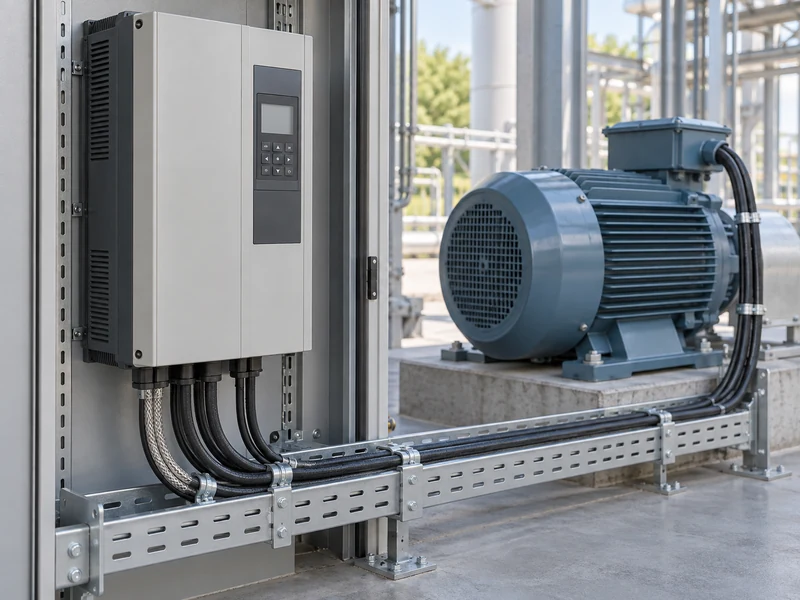
Identify the highest required mechanical speed and the lowest speed at which useful torque must be sustained. Include the duration of each requirement and whether position feedback is available or permitted. These details allow the supplier to discuss actual operating limits instead of quoting only a nominal drive power.
What Should the Final Enquiry Package Contain?
A practical enquiry package contains the duty table, supporting measurements, mechanical interface details, supply information, and a short statement of what the project must improve. Separate mandatory requirements from preferences so that alternative proposals can be compared fairly. For an energy project, define the output that must remain unchanged when consumption is compared.
The Leili industrial applications overview can help position the enquiry within the intended equipment context. Attach the specific machine information rather than assuming that a broad application label, such as pump or fan, describes the complete load. Fluid conditions, inertia, transmission arrangement, and production scheduling can change the requirements substantially.
Before issuing the package, ask one person responsible for production and one responsible for engineering to review it. Their task is to identify missing operating states, unexplained estimates, and conditions that the machine must never encounter. This review often improves the quality of the selection more than adding an arbitrary percentage to the required power.
Keep the completed profile after purchase as the reference for commissioning. When measured operation differs from the enquiry, decide whether the process has changed or whether the original assumption was inaccurate before adjusting the equipment. A traceable load profile remains useful throughout the motor’s service life because it explains why the installed system was selected.
A permanent magnet synchronous motor acceptance test should prove that the supplied motor and agreed drive arrangement meet the project’s operating requirements under documented conditions. The plan needs defined test points, measurement methods, acceptance limits, and responsibilities before testing begins. Factory testing and site testing then provide complementary evidence rather than duplicate certificates with unclear purposes.
Which Requirements Should the Test Plan Start With?
Start with the machine duty and the purchase agreement, not a generic list of measurements. Identify the required speed and torque range, continuous operating conditions, temporary demands, and environmental assumptions. For each proposed check, identify the machine requirement it will verify and explain what an acceptable result would establish for the buyer.
When evaluating a model from the Leili PMSM product range, distinguish published family information from the specific performance agreed for that model. Record the exact motor identification and any agreed configuration differences. A report for another winding, cooling arrangement, or drive setup may provide background without proving compliance for the delivered unit.
Separate routine manufacturing checks from project-specific performance verification. The former may demonstrate production quality against the manufacturer’s procedures, while the latter addresses a particular operating requirement. Ask which tests apply to every supplied unit and which apply only to a representative design or an agreed sample.
How Should Test Points Be Chosen?
Choose points that represent the operating envelope and the project’s important risks. A rated point may be necessary, but a machine spending most of its time at reduced output also needs relevant evidence there. Starting or temporary overload requirements should be described by both magnitude and duration.
Avoid expanding the plan into a large grid of measurements without a clear purpose. More readings do not automatically provide better coverage if they repeat easy conditions and omit a demanding operating state. A compact plan with justified test points is usually easier to witness, interpret, and repeat.
| Test Point | Purpose | Conditions to Record |
| Rated operation | Check the agreed rating | Load, speed, cooling, supply |
| Normal process duty | Represent expected service | Actual duty assumptions |
| Reduced-speed duty | Check usable operating range | Torque and thermal condition |
| Temporary demand | Verify permitted transient duty | Duration and recovery |
| Routine transition | Observe system response | Command and load sequence |
Agree what happens when a test point cannot be reproduced at the factory. A site test, a separate engineering assessment, or an explicitly limited acceptance statement may be appropriate. The missing condition should remain visible in the record rather than disappearing behind a general pass label.
What Makes Measurement Evidence Credible?
The report should define each measured quantity, the instrument used, its calibration status, and the measurement method. For electrical performance, identify whether the boundary is at the inverter input, motor terminals, or another location. Mechanical output requires a compatible torque and speed measurement method where it is part of the acceptance claim.
Under NIST’s explanation of metrological traceability, the measured result must be connected to its reference through a documented sequence of calibrations. The evaluator must still decide whether the assembled measurement method can answer the purchasing question; an instrument’s calibration certificate does not settle that judgement. The project should also consider uncertainty, installation, range, and the way readings are combined.
Specify how stable operating conditions must be before readings are accepted. Temperature, load, and speed should be recorded with sufficient context to distinguish a settled measurement from a transient observation. If averaging is used, state its duration and preserve information about meaningful fluctuations.
How Should Efficiency Claims Be Tested?
An efficiency claim requires clearly defined input and output quantities measured under comparable conditions. Motor efficiency and complete drive-system efficiency describe different boundaries. A report should not present one as the other simply because the motor is the main item being purchased.
Agree the applicable test method and uncertainty treatment with the supplier before setting a narrow acceptance threshold. Small differences between measured and quoted efficiency can be difficult to interpret when the measurement uncertainty is not stated. The purchasing decision should use an agreed decision rule rather than an improvised judgement after the test.
If the project concerns annual energy use, several relevant duty points may be more informative than the highest measured efficiency. Weighting those points by operating hours belongs in a separate energy model. Keep the measured results distinct from the assumptions used to turn them into an annual estimate.
Which Thermal Conditions Need to Be Documented?
Document ambient conditions, cooling arrangement, initial state, operating duration, and the available temperature measurements. A short run from cold cannot by itself demonstrate a continuous-duty thermal claim. The supplier should define the relevant stabilization or duty-cycle criterion and the limits that apply to the selected model.
Protective sensors also need functional verification within an approved procedure. Confirm that the expected signal reaches the drive or machine controller and produces the agreed response. This is different from merely checking that a temperature value appears on a screen.
Leili’s article on PMSM overheating and engineering responses gives useful context for the thermal review. The acceptance document should nevertheless use the actual motor’s approved limits, not generalized temperature figures from an explanatory article. Record any reduced rating required by the test or installation conditions.
What Mechanical Observations Belong in the Record?
Record the mounting arrangement, coupling, alignment basis, and relevant vibration or noise observations. These conditions help explain the result and support comparison with later site measurements. A factory test stand and the final machine foundation can behave differently, so neither result should be interpreted without its installation context.
Use agreed measurement locations and operating conditions when vibration forms part of acceptance. Changing sensor location or load can make readings difficult to compare. Photographs or a simple location diagram can be useful supporting records without turning an observation into a universal diagnosis.
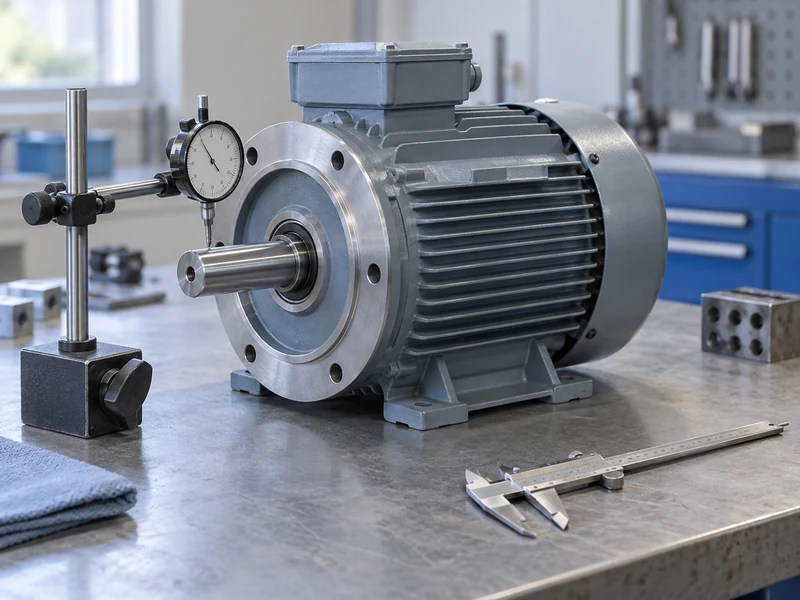
The related guide to PMSM bearing noise and vibration problems can help organize possible follow-up investigations. An unexpected symptom should trigger a documented investigation rather than an immediate assumption that the motor itself is defective. Preserve the original observations before changing alignment, control settings, or other relevant conditions.
How Should Factory and Site Tests Be Divided?
Use factory testing for checks best performed on the manufacturer’s equipment and site testing for requirements that depend on the installed machine. The factory may provide controlled loading and dedicated instruments, while the site reveals actual supply conditions, cooling integration, process behavior, and support structure. The two stages should share enough information to explain differences.
For a drive-fed system, record the inverter model, software version, and approved parameter set used during each stage. Leili’s overview of PMSM control strategies provides background, but the report needs the actual configuration. A factory result obtained with one control arrangement should not silently be treated as proof for a different site arrangement.
Projects within Leili’s industrial applications may have different priorities depending on the driven equipment. A pump project might emphasize stable hydraulic service, while another machine places greater importance on acceleration or speed regulation. The site acceptance plan should reflect that specific purpose.
What Should Happen When a Result Falls Outside the Agreement?
When a requirement is missed, preserve the readings and the setup used to obtain them so that the investigation starts from the observed event. Determine whether the issue concerns the supplied equipment, the test setup, the operating requirement, or an unresolved assumption. Retesting should have a defined purpose and preserve the relationship to the original result.
The final acceptance record should identify passed requirements, approved exceptions, unresolved items, and the person responsible for each follow-up. Keep the motor and drive configuration with the signed test record, giving future reviewers a concrete reference when equipment or settings are changed. A signature is most useful when it refers to a clear technical record rather than a broad statement that the motor ran successfully.
Keep this package with the asset documentation after delivery. It gives maintenance and engineering teams a reference when performance changes, a replacement is proposed, or the process duty expands. Acceptance testing then becomes a practical foundation for operating the equipment, as well as a purchasing milestone.
Power factor and efficiency answer different questions, and neither should be used alone to predict energy savings from a permanent magnet synchronous motor. Buyers should distinguish the motor’s electrical operating condition from the inverter’s grid-side behavior, then compare real electrical energy at a consistent system boundary. A credible proposal states what was measured, where it was measured, and which operating conditions apply.
Why Does a Higher Power Factor Not Equal the Same Increase in Efficiency?
Efficiency relates useful output power to input power, while power factor relates real power to apparent power at an electrical boundary. Improving one quantity does not establish an identical percentage change in the other. A purchasing comparison becomes unreliable when these terms are used interchangeably in a savings calculation.
An installation can benefit from reduced current demand under suitable conditions, but the effect depends on the equipment and supply arrangement. It does not follow that every percentage-point improvement in a quoted motor power factor produces the same percentage reduction in billed energy. Energy consumption must be calculated or measured using real power over time.
The Leili permanent magnet synchronous motor range provides a starting point for discussing motor performance. When a specification lists power factor, ask for the operating point and measurement convention. Keep that value separate from efficiency and from any statement about the complete drive installation.
Where Is the Electrical Boundary in a Drive-Fed System?
A drive-fed system has at least two important electrical boundaries: the inverter input and its output toward the motor. The waveform and power relationships at these locations differ. A motor-side value therefore cannot automatically describe the current drawn from the building supply.
The US Department of Energy’s motor and drive system sourcebook discusses system performance, power factor, and drive-related electrical considerations. Its system perspective supports identifying the measurement boundary before comparing equipment. Use the actual inverter data and suitable measurements for the proposed installation rather than transferring a motor-side figure to the grid connection.
Draw a simple boundary around the items included in the comparison. Decide whether the meter includes the inverter, motor, cooling equipment, and other auxiliaries. Keep this same boundary for the baseline and proposed arrangement, or state the adjustments needed to make them comparable.
What Do Real Power, Apparent Power, and Energy Each Describe?
Real power describes the rate of electrical energy transfer that contributes to work and losses within the selected boundary. Apparent power relates voltage and current magnitude, while energy accumulates real power over time. These quantities can all matter commercially, but they should occupy different rows in the project evaluation.
For an illustrative operating condition, 20 kW of real input maintained for 100 hours represents 2,000 kWh. Changing a separately quoted apparent-power value does not change that arithmetic unless real input or operating duration also changes. This example explains the distinction and is not a prediction for a Leili motor.
| Quantity | Question It Helps Answer | Information Needed |
| Real power | How much electrical power is entering? | Measurement boundary and duty |
| Energy | How much is consumed over time? | Real power and operating hours |
| Apparent power | What electrical loading is present? | Voltage, current, and method |
| Power factor | How do real and apparent power relate? | Definition and waveform context |
| Efficiency | How much input becomes useful output? | Input and output measurements |
The site’s tariff determines how these quantities affect charges. Some facilities face costs related to demand or power factor in addition to energy, while others have a different billing structure. Use the actual tariff and electrical study for the financial assessment rather than assuming a universal charging method.
Why Must Waveform Conditions Be Considered?
Power-factor terminology becomes more complicated when current and voltage are not simple sinusoids. A displacement-related value and a true power-factor value do not necessarily describe the same thing. Ask the supplier or measurement specialist which quantity is being reported and whether the instrument is appropriate for the waveform.
The inverter’s input arrangement and operating condition influence what the supply sees. Motor replacement alone does not establish the harmonic performance of the complete installation. If the project includes supply-quality requirements, obtain drive-side evidence that directly addresses those requirements under the agreed conditions.
Avoid proposing electrical correction equipment from a motor catalogue value alone. Such changes require an assessment of the actual network and the converter arrangement by a qualified electrical engineer. The purpose of the buyer’s worksheet is to identify the question clearly, not to substitute a general rule for installation-specific design.
How Should an Energy-Saving Claim Be Reconstructed?
Ask the proposer to show the baseline input, proposed input, operating hours, and useful output for each significant duty state. The calculation should identify which changes arise from motor losses, drive losses, process control, or operating schedule. This prevents a benefit from revised pump or fan operation being attributed entirely to the motor.
Where only rated efficiency is supplied, request evidence at relevant part-load states before treating the annual estimate as established. A machine that rarely operates at the rated point may not obtain the annual result implied by a single catalogue value. The uncertainty should be visible in the proposal rather than hidden by a precise payback figure.
Motor construction and control affect the operating behavior, but neither topic justifies skipping the measurement boundary. Leili’s comparison of surface-mounted and interior PMSM designs provides related design context. Use model-specific performance evidence to evaluate the candidate rather than assuming every design in a category has identical losses.
Which Measurements Make a Before-and-After Test Useful?
Use a suitable power measurement method at the agreed boundary and record the operating state at the same time. For a process machine, include the output that must remain equivalent, such as the required flow or production rate. A lower input reading is meaningful only when the service delivered is understood.
Record the drive configuration and relevant control settings used during the comparison. Changes in speed command or process regulation can affect consumption independently of motor efficiency. The article on FOC and DTC control strategies offers background, while the test record must identify the actual implementation.
Temperature and cooling conditions also deserve attention when comparing measurements. A test taken shortly after starting and another taken after prolonged operation may not represent equivalent conditions. The related explanation of PMSM overheating helps frame thermal questions, but the agreed test method should define the comparison conditions.
What Questions Should Procurement Ask About the Proposal?
Procurement should ask for separate statements covering motor efficiency, complete-system input, grid-side electrical behavior, and the financial assumptions. These statements can then be reviewed by the people responsible for mechanical performance, electrical integration, and operating cost. Combining them into one headline percentage makes technical review unnecessarily difficult.
Request the following clarifications before accepting a savings estimate:
- Which equipment is inside the measurement boundary?
- Which operating states and annual hours are included?
- Is useful process output equivalent in both cases?
- Which values are measured, simulated, or assumed?
- What site tariff and demand assumptions are used?
- What test will verify the claimed improvement?
The Leili industrial applications page can help connect the enquiry to the intended equipment. Attach the site’s actual duty and electrical arrangement so that the supplier can respond to the right system question. A broad claim about efficient motors is less useful than a qualified answer for the proposed installation.
What Should the Final Comparison Show?
The final comparison should show energy consumption and any other electrical or commercial benefits as separate, traceable results. It should retain the distinction between a motor rating and a grid-side measurement. Any uncertainty about operating hours, part-load performance, or tariff treatment should remain explicit.
Separating the electrical quantities gives a purchaser a clearer way to recognize the PMSM’s contribution: each claimed benefit can be traced to the measurement or calculation that supports it. Buyers can see which benefits have been established and which require site verification. Suppliers can then support a technically clear proposal instead of defending an ambiguous headline about power factor and savings.
A permanent magnet synchronous motor acceleration requirement should state the load inertia, speed change, ramp time, resisting torque, and repetition pattern. Rated torque alone does not establish whether the motor and drive can accelerate the machine as required. The selection must satisfy the temporary torque demand while remaining within the approved electrical, mechanical, and thermal envelope over the complete cycle.
Why Is Acceleration a Separate Selection Question?
Steady operation requires torque to overcome the driven load and losses, while acceleration also requires torque to change rotational speed. A motor can satisfy the steady requirement yet fail to achieve the requested ramp with the available inverter current. Conversely, a system sized only for a short peak may carry unnecessary continuous capacity if its duty is not examined carefully.
Start with the candidate permanent magnet synchronous motor, then describe the machine’s motion cycle independently of the catalogue rating. This prevents the enquiry from becoming a request to confirm a motor selected before the load was understood. The supplier needs enough information to review both the required torque and the frequency of its occurrence.
Acceleration requirements should come from the process. If a faster ramp provides no useful production benefit, it may impose avoidable demands on the motor, inverter, coupling, and driven equipment. State the acceptable ramp range instead of automatically requesting the shortest achievable time.
How Is the Basic Acceleration Torque Calculated?
For a simplified rigid rotating system, acceleration torque is the total inertia referred to the motor shaft multiplied by angular acceleration. The required motor torque also includes the resisting load torque and relevant losses. This calculation is a starting model, with additional analysis needed where flexibility, changing load, or other dynamics are important.
Consider a hypothetical system with total referred inertia of 0.20 kg·m² accelerating from rest to 1,500 rpm in two seconds at constant acceleration. The speed change is approximately 157 rad/s, giving an acceleration torque of about 15.7 N·m before adding resisting torque and losses. These values illustrate the calculation and do not describe a Leili product or a tested machine.
If the resisting torque were 20 N·m throughout that illustrative ramp, the simplified combined requirement would be about 35.7 N·m before further allowances justified by the engineering model. If resistance changes with speed, calculate the demand across the ramp rather than adding a single convenient constant. Keep the assumptions visible alongside the result.
Which Inertias Need to Be Included?
Include the motor rotor, coupling, driven components, and any other rotating or translated mass whose motion is reflected at the motor shaft. Where gearing or another transmission is present, refer the load correctly through that arrangement. A load inertia stated at another shaft cannot simply be added without checking the speed relationship.
Request the exact motor’s rotor inertia where it materially affects the calculation. A different motor size or rotor design can change the acceleration requirement as well as the available torque. Leili’s explanation of surface-mounted and interior PMSM designs provides design background, but the calculation needs the selected model’s data.
| Input | Why It Matters | Preferred Evidence |
| Referred inertia | Sets acceleration demand | Drawings or validated calculation |
| Load torque | Adds to motion demand | Measured or modeled curve |
| Ramp profile | Defines acceleration over time | Process requirement |
| Cycle frequency | Determines repeated loading | Production schedule |
| Initial condition | Affects available thermal margin | Defined operating sequence |
A documented range is preferable to an unsupported exact value when inertia is uncertain. Ask the designer which components dominate the uncertainty and whether a practical measurement can reduce it. This focuses engineering effort on information that can change the selection.
Why Must Peak Torque Be Checked Against Duration and Speed?
Peak torque is meaningful only with its permitted duration, operating speed, initial condition, and recovery requirements. A headline overload value does not establish that it is available throughout every ramp. The motor and inverter must both support the required demand under the same conditions.
At higher speed, the available operating envelope can also be constrained by voltage. MIT’s permanent magnet machine notes describe the interaction of current and voltage limits. For selection, obtain the applicable torque-speed envelope for the actual motor-drive combination rather than extrapolating a low-speed peak value.
Plot the required torque against speed and time, then compare it with the confirmed available envelope. If a ramp crosses an unsupported region, discuss a revised ramp, a different drive arrangement, or another motor selection. Increasing a setting does not establish that the hardware can safely provide the extra demand.
When Is RMS Torque Useful, and What Does It Miss?
RMS torque can be a useful screening quantity for a repeated cycle when the relationship between torque, current, and relevant losses supports that approximation. It gives greater weight to high-torque portions than a simple average. However, it does not automatically represent every loss mechanism or every thermal condition in a PMSM.
Calculate it from the complete cycle with each torque level and duration explicitly stated. Then ask the motor supplier whether the approximation is appropriate for the speed range, control mode, and cooling arrangement. A single RMS figure should not erase the sequence needed to assess peak temperature or repeated overload recovery.
Core losses, speed-dependent conditions, and changing ventilation can make two cycles with similar RMS torque behave differently. Leili’s article on PMSM overheating provides context for the thermal review. Final approval should use the supplier’s model-specific assessment of the actual cycle.
How Does the Ramp Shape Influence the Machine?
The same total speed change and duration can be achieved with different acceleration profiles. Those profiles can impose different peak torque and mechanical transition demands. Define the intended profile when it matters to the process rather than providing only the start speed, end speed, and elapsed time.
The control arrangement must be able to execute the approved motion while maintaining the required process behavior. Leili’s comparison of FOC and DTC introduces control concepts, but the acceptance criterion should remain measurable. Specify allowable ramp error or process disturbance where the application requires it.
Deceleration needs its own review because the energy flow and process effects can differ from acceleration. Include the stopping requirement and any frequent reversing sequence in the enquiry. Do not assume that a successful acceleration calculation automatically validates every other motion in the cycle.
What Should Be Tested During Commissioning?
Test the agreed cycle under representative load and initial conditions within the approved commissioning procedure. Record commanded and achieved speed, relevant electrical observations, cycle timing, and available temperature data. An unloaded ramp verifies only part of the requirement when the installed load contributes substantial inertia or resistance.
Repeat the cycle as agreed to assess the required operating pattern rather than demonstrating a single isolated event. The number and sequence of repetitions should come from the duty specification and supplier guidance. Any departure from the planned load or cooling condition should be documented with the result.
If the achieved ramp differs from the requirement, preserve the observations before changing several settings at once. Determine whether the limitation arises from the mechanical model, available current, voltage, control configuration, or process conditions. This creates a more useful corrective action than repeatedly shortening the commanded ramp until a fault appears.
What Should the Supplier Receive Before Selection Is Approved?
Provide a time-based duty sheet, the inertia calculation, the load-torque description, and the required speed range. Include the supply and inverter information and state which values remain estimates. The Leili industrial applications overview can support the discussion of the intended equipment and integration scope.
Request confirmation of continuous duty, temporary demands, and the required repetition pattern as separate items. Ask for any restrictions that must be preserved in the machine controls. This gives the commissioning and maintenance teams a clear basis for deciding whether a later production change remains within the original selection.
The final record should explain why the chosen motor and drive meet the motion requirement. Retain the calculation and test evidence together, because either one alone can leave an important question unanswered. A well-specified acceleration duty turns a vague request for more power into a reviewable requirement for the complete machine.