
An axial flux motor request for quotation should require a defined operating duty, complete supply scope, interface information, and evidence supporting the proposed performance. Power and price alone do not reveal whether competing offers include the same cooling, drive integration, testing, or documentation. A structured RFQ makes technical gaps visible before they become installation costs or commissioning delays.
How Should the Required Duty Be Presented?
Describe the machine’s required speed and torque over time, including continuous operation and any permitted temporary demands. State the available supply, environmental conditions, and cooling services. Mark the duty conditions that every bid must satisfy, then list optional features separately to make each proposed departure or enhancement visible during evaluation.
Use the Leili axial flux motor range to identify relevant products, but send the actual application information with the enquiry. A request for a motor of a given power leaves important selection questions unanswered. The supplier should be able to see what the motor must do and under which conditions.
Identify which inputs are measured, calculated, or estimated. If future capacity is required, state that future duty separately from current production. This allows the supplier to explain the consequences of the additional requirement rather than hide an unspecified margin in the selection.
Which Supply-Scope Items Should Be Listed Separately?
List the motor, inverter, feedback equipment, cooling equipment, connection hardware, and commissioning services according to the project’s needs. State whether each item is to be supplied, specified, or merely reviewed by the bidder. This prevents two quotations with different responsibilities from appearing directly comparable.
Documentation belongs in the supply scope as well. Request the drawings, parameter data, operating instructions, test records, and configuration information needed by the machine builder and plant. A lower equipment price may be offset by missing engineering information if it delays integration.
| RFQ Area | Required Response | Comparison Purpose |
| Motor duty | Confirmed envelope and conditions | Establish technical suitability |
| Drive integration | Included hardware and data | Expose configuration responsibilities |
| Cooling | Required services and supplied items | Compare complete installation scope |
| Mechanical interface | Controlled drawings and limits | Support machine integration |
| Acceptance evidence | Methods, reports, and exceptions | Make claims reviewable |
Require exclusions to be stated explicitly. Ask the bidder to resolve unanswered scope entries explicitly before assigning their cost or delivery responsibility to either party. The commercial review can then distinguish a genuine price difference from a difference in scope or risk allocation.
What Evidence Should Support the Proposed Rating?
Ask the supplier to identify the basis for continuous torque, temporary overload, efficiency, and any other performance essential to the project. Distinguish measured results, design calculations, and estimates. The evidence should refer to the proposed configuration and the conditions under which the claim applies.
The Leili 30 kW axial flux motor listing includes multiple speed and cooling variants. An RFQ should therefore request the full model designation rather than accepting a power label as complete identification. Associate every performance document and drawing with that exact proposed variant.
For measurement-based claims, request the method, operating conditions, and relevant uncertainty information. NIST’s traceability guidance connects a reported measurement to its reference through documented calibrations, providing a basis for asking how the supplier’s test result was established. In procurement, this supports asking for a usable test record rather than accepting an instrument calibration statement as the entire evidence package.
How Should Cooling Responsibility Be Divided?
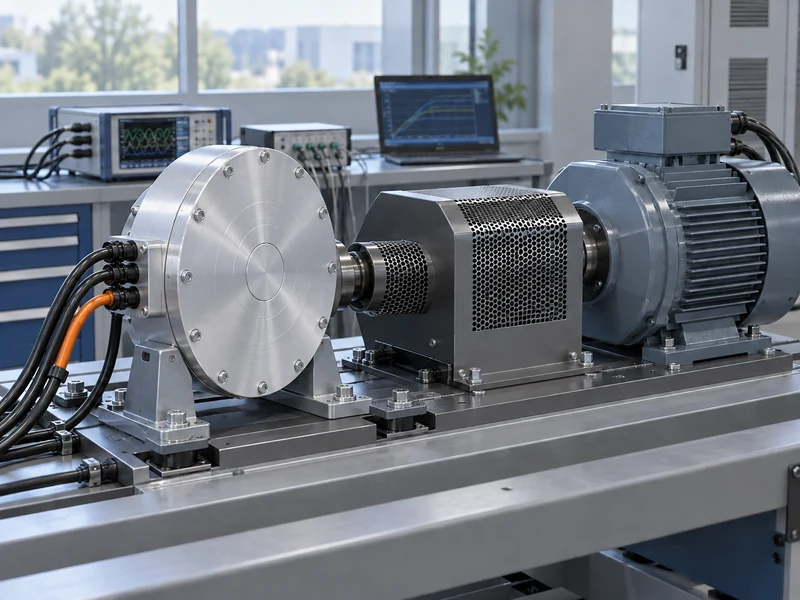
The RFQ should state what cooling services the site can provide and ask the supplier to confirm whether they meet the motor’s requirements. If a dedicated circuit is needed, identify who sizes, supplies, installs, and accepts it. The quotation should not leave the motor’s rated duty dependent on an undefined service.
Request the required conditions at the motor connections, including approved fluid information for liquid cooling where applicable. Ask which monitoring and protective functions are required. The site can then assess the supporting installation and its operating cost alongside the motor proposal.
Leili’s guide to axial flux motor cooling methods offers context for discussing alternatives. The RFQ response should identify the chosen arrangement and its specific conditions. Broad statements about effective cooling are insufficient for designing the machine’s services.
Which Mechanical Interfaces Must Be Frozen Before Ordering?
Identify the mounting arrangement, shaft interface, coupling position, permitted external loads, connection routes, and service envelope. Ask for controlled drawings and clarify any information that will be supplied only after order. The project schedule should allow time to review those details before mating parts are manufactured.
The RFQ should also state who owns adapters, guards, and the support structure. Leili’s article on integration with gearboxes and direct-drive systems provides related context for the system arrangement. The quotation needs to translate that concept into clearly assigned interfaces.
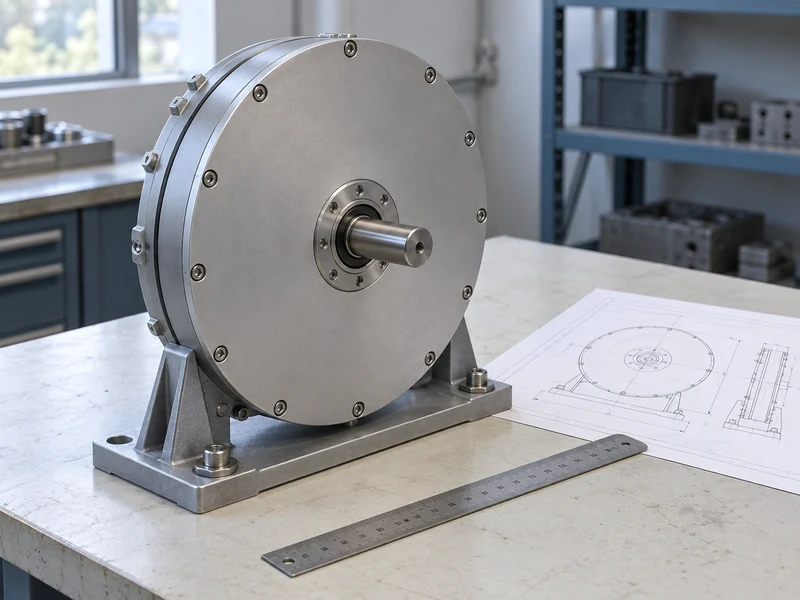
If compact packaging is a principal objective, define the installed boundary used to judge it. Include necessary connections and service access rather than comparing motor bodies alone. A proposed layout drawing can make the claimed benefit easier to assess before the purchase is committed.
What Should Be Required for Drive Setup and Commissioning?
Request the electrical parameter information needed by the selected inverter and confirm who approves the combination. Include feedback, protection sensors, software dependencies, and the intended parameter handover. If the motor and drive come from different suppliers, assign an integration owner explicitly.
The commissioning scope should identify who performs setup, which tests are included, and what site conditions are required. A quotation that includes remote advice is different from one that includes on-site testing with specified equipment. Make those differences visible in the evaluation rather than discovering them during the shutdown window.
Require a final configuration record and a method for managing approved changes. The plant should receive enough information to support a replacement drive, investigate a fault, or review a process change. This is a practical deliverable with value beyond the first successful run.
How Can Manufacturing and Quality Questions Stay Relevant?
Ask about the controls and records that support the supplied configuration and the project’s important requirements. Relevant topics may include identification, traceability, routine checks, and the relationship between a representative test and delivered units. Avoid a long generic questionnaire that does not influence acceptance or integration.
Leili’s overview of the axial flux motor manufacturing process provides background for these discussions. The RFQ should request the evidence that the project actually needs, such as the applicable inspection record or agreed test report. Do not assume that a broad process description means every possible certificate or test is included.
Where a proposed design change affects the approved interfaces or performance basis, require a defined review process. This helps the buyer distinguish a harmless documentation update from a configuration change requiring engineering approval. Keep the requirement proportionate to the project and clearly stated in the purchasing documents.
What Does a Useful Clarification Request Look Like?
A useful clarification identifies the missing requirement and asks for a concrete response. For example, if a quotation states liquid cooling but provides no required inlet condition, ask for the allowable service conditions at the motor and whether the quoted rating depends on them. The answer then gives the cooling-system designer usable temperature and flow requirements, instead of a general assurance that cannot be checked against the plant services.
Give each clarification an owner and connect the answer to the relevant quotation revision. If the answer changes the supplied equipment, duty limit, price, or schedule, carry that change into the comparison sheet. An important technical answer should not remain isolated in an email while the purchase order retains an earlier scope.
Before award, review the remaining open items with the people who will design, install, and operate the machine. They can distinguish a detail that may be finalized later from information needed to make the selection itself. That distinction keeps the procurement process moving without disguising unresolved engineering as confirmed compliance.
How Should Quotations Be Evaluated Without Hiding Open Questions?
Use a compliance sheet that separates confirmed compliance, proposed deviations, and missing information. Compare price only after the scope differences are visible. A technically incomplete offer may remain a candidate, but it should not be ranked as fully equivalent before the missing items are resolved.
Ask bidders to explain alternatives in terms of their effect on duty, interfaces, supporting equipment, and acceptance evidence. This encourages useful engineering proposals while keeping the required outcome clear. Record the accepted assumptions in the final order so that the evaluation does not disappear after supplier selection.
The completed RFQ should lead to a proposal the machine builder can implement and the plant can verify. It should connect the motor’s claimed advantages to actual operating conditions, included services, and reviewable evidence. That connection is what allows a competitive axial flux motor quotation to become a dependable project scope.