
A permanent magnet synchronous motor should be selected against the speeds, torques, operating hours, and cooling conditions that the machine actually experiences. A useful load profile separates normal production from starting, waiting, cleaning, and exceptional operation, then gives each condition an identifiable duration. This turns a motor inquiry into an engineering decision that can be checked against the proposed motor and drive combination.
Why Does a Nameplate Rating Leave the Selection Incomplete?
The nameplate describes a rated operating condition, while a production machine usually moves through several conditions during a shift. Two machines with the same maximum shaft power can need different motor selections when one runs steadily and the other repeatedly accelerates a large rotating assembly. The difference is especially relevant when an energy estimate is based on operating hours without considering what happens during those hours.
Begin with the available permanent magnet synchronous motor range, but treat the catalogue as a starting point for a duty review. The enquiry should identify the driven equipment, required speed range, supply arrangement, and expected operating environment. A power rating by itself cannot establish inverter compatibility, overload duration, or the suitability of low-speed cooling.
Oversizing also deserves a specific explanation. Additional capacity may be justified by a documented future operating case, but an unspecified allowance can conceal an inaccurate load estimate and increase the cost of the drive, cabling, and mechanical installation. Record the reason for every margin so that the supplier can distinguish required capacity from uncertainty.
Which Operating States Belong in the Profile?
Include states that materially change torque, speed, temperature, or energy consumption. Normal output, reduced output, standby rotation, starting, stopping, and process disturbances should have separate entries when their demands differ. A state that lasts only briefly may have little influence on annual electricity consumption while still determining the necessary peak current.
Ask production staff how the equipment is actually scheduled before selecting a logging period. A single convenient shift can miss weekend operation, seasonal demand, product changes, or a cleaning sequence. The aim is representative coverage, with unusual conditions identified explicitly rather than averaged into normal operation.
| Operating State | Record | Selection Question |
| Normal production | Speed, torque, hours | Can the motor sustain the required output? |
| Reduced production | Actual process demand | Is control stable at this speed? |
| Acceleration | Inertia and ramp time | Is short-duration torque available? |
| Standby | Rotation and auxiliary loads | Can avoidable consumption be reduced? |
| Exceptional operation | Cause, duration, frequency | Is the condition permitted or prohibited? |
Give each entry a source: a logged value, a machine calculation, an operator estimate, or a contractual requirement. These categories should remain visible because they carry different confidence levels. A motor supplier can work with an estimate, but should not be expected to recognize an estimate disguised as a measurement.
What Should Be Measured Before Comparing Energy Use?
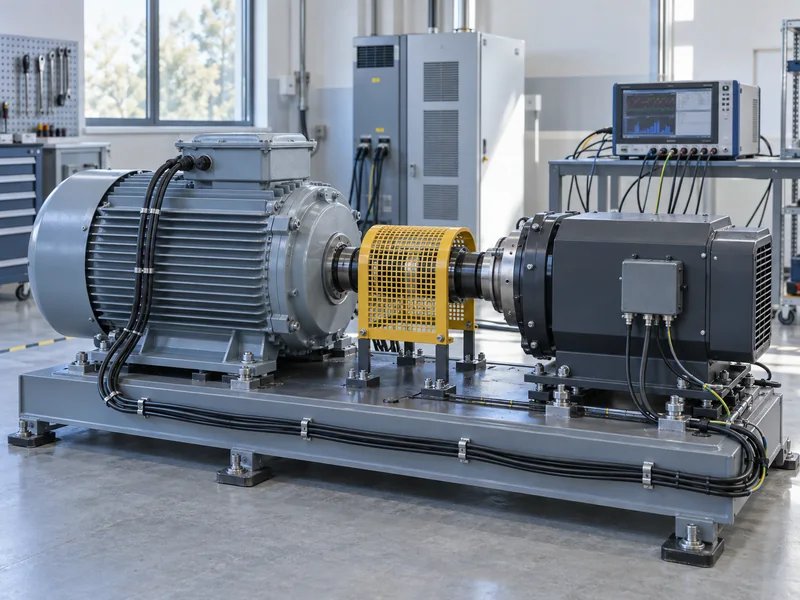
Measure electrical input at a clearly identified boundary and connect it to useful process output. For a drive-fed installation, a meter upstream of the inverter includes different losses from a measurement at the motor terminals. Comparing readings from these two locations without adjustment can produce a misleading savings claim.
The US Department of Energy’s guide to determining motor load and efficiency emphasizes the importance of operating hours, loading, and efficiency in evaluating motor energy use. Some methods in that guide address induction motors specifically; their slip-based estimates should not be transferred to a PMSM. Use the general measurement planning principle while choosing a measurement method appropriate to the actual machine.
Where shaft torque cannot be measured directly, document the alternative calculation and its limitations. Pump flow and pressure, for example, can help characterize process demand, but do not by themselves establish motor efficiency because the pump and transmission also have losses. Keep measured electrical input separate from inferred shaft output in the worksheet.
How Can a Duty Table Become an Annual Energy Estimate?
Multiply the measured or justified average input power of each state by its annual hours, then add the results. Use input power for the same system boundary throughout the calculation. Do not multiply rated shaft power by total calendar hours and label the result annual electrical consumption.
Consider an illustrative installation operating for 4,000 hours annually: 2,000 hours at 12 kW input, 1,500 hours at 8 kW, and 500 hours at 3 kW. Its calculated annual consumption is 37,500 kWh before any separately metered auxiliaries outside the chosen boundary. These figures are a calculation example, not Leili product test results or a prediction for another installation.
The candidate replacement needs equivalent input figures at the same operating states. If only rated efficiency is available, the comparison remains incomplete because part-load performance and drive losses have not been established. Request a relevant performance map or an agreed test instead of filling every row with the best catalogue efficiency.
Apply the electricity price only after the energy boundary and operating hours are settled. Demand charges, time-dependent tariffs, and maintenance changes may matter to the business case, but should appear as separate assumptions. This makes the result easier to update when the production schedule or tariff changes.
Which Conditions Can Make an Apparently Suitable Profile Misleading?
Average torque can hide repeated peaks, and average ambient temperature can hide a demanding afternoon shift. Retain the time sequence when heating and recovery depend on how operating states follow one another. Ten short events distributed across a day are not automatically equivalent to the same events occurring consecutively.
Cooling must be described alongside load. A motor working slowly at substantial torque may experience a different cooling condition from the rated test, depending on its construction and ventilation arrangement. Leili’s discussion of PMSM overheating causes provides related background, while the project requires model-specific thermal limits from the supplier.
Mechanical disturbances should also be retained in the record. A recurring torque fluctuation caused by the driven machine should not be removed from the profile merely because the electrical average appears acceptable. Where vibration accompanies changing load, the related guide to PMSM bearing noise and vibration can help frame the investigation without replacing measurements at the installation.
How Should the Drive Supplier Use the Completed Profile?
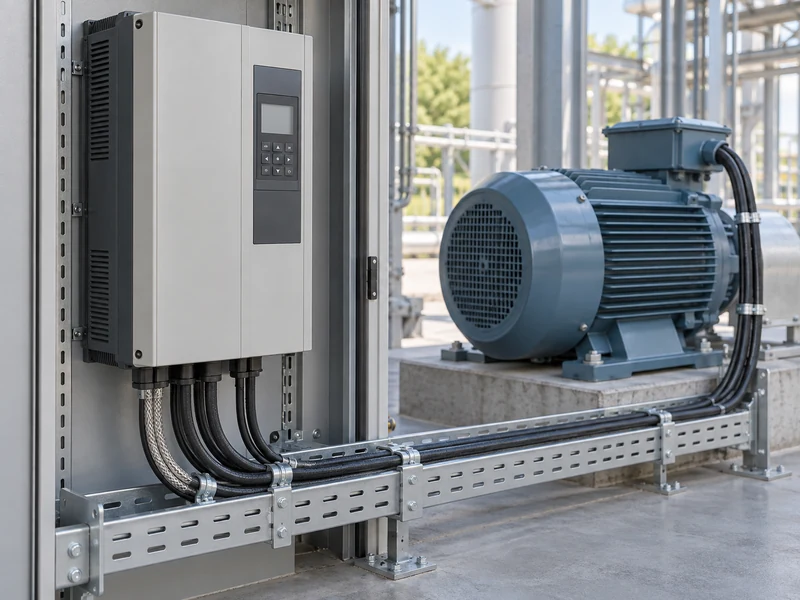
The drive supplier should check current demand, voltage availability, speed regulation, and protective settings against the same duty states reviewed by the motor supplier. A motor that can produce the required mechanical torque may still be unsuitable with a particular inverter or supply limitation. Obtain written confirmation for the proposed combination, including any conditions attached to its overload capability.
Control requirements belong in the profile as measurable outcomes. Specify whether the process needs steady speed, a controlled ramp, reliable low-speed torque, or recovery after a disturbance. The existing article comparing FOC and DTC control strategies is useful background, but naming a control method does not establish that the complete system meets the duty.
Identify the highest required mechanical speed and the lowest speed at which useful torque must be sustained. Include the duration of each requirement and whether position feedback is available or permitted. These details allow the supplier to discuss actual operating limits instead of quoting only a nominal drive power.
What Should the Final Enquiry Package Contain?
A practical enquiry package contains the duty table, supporting measurements, mechanical interface details, supply information, and a short statement of what the project must improve. Separate mandatory requirements from preferences so that alternative proposals can be compared fairly. For an energy project, define the output that must remain unchanged when consumption is compared.
The Leili industrial applications overview can help position the enquiry within the intended equipment context. Attach the specific machine information rather than assuming that a broad application label, such as pump or fan, describes the complete load. Fluid conditions, inertia, transmission arrangement, and production scheduling can change the requirements substantially.
Before issuing the package, ask one person responsible for production and one responsible for engineering to review it. Their task is to identify missing operating states, unexplained estimates, and conditions that the machine must never encounter. This review often improves the quality of the selection more than adding an arbitrary percentage to the required power.
Keep the completed profile after purchase as the reference for commissioning. When measured operation differs from the enquiry, decide whether the process has changed or whether the original assumption was inaccurate before adjusting the equipment. A traceable load profile remains useful throughout the motor’s service life because it explains why the installed system was selected.