
A replacement permanent magnet synchronous motor should be qualified against mechanical interfaces, electrical parameters, operating duty, control compatibility, and the evidence needed for return to service. Equal power and similar external dimensions do not establish interchangeability. An approved replacement record should identify which features match, which differences are acceptable, and which configuration changes are required.
Why Is a Like-for-Like Description Often Incomplete?
A stores record may capture power, speed, and frame information while omitting the winding configuration, feedback device, thermal sensors, or parameter data used by the inverter. These omitted details can determine whether a replacement operates correctly. Recover the original technical record before relying on a short purchasing description.
For a proposed replacement from the Leili permanent magnet synchronous motor range, request the exact model designation and approved configuration. Compare it with the installed asset rather than with a general family description. Where the original information is unavailable, identify the resulting engineering questions instead of assuming equivalence.
The qualification effort should reflect the consequence of interruption and the extent of the difference. An identical approved spare may require a straightforward identity and condition check, while a different winding or feedback arrangement needs a wider integration review. The distinction should be documented so that future maintenance teams know which approval they are using.
Which Mechanical Interfaces Need Direct Comparison?
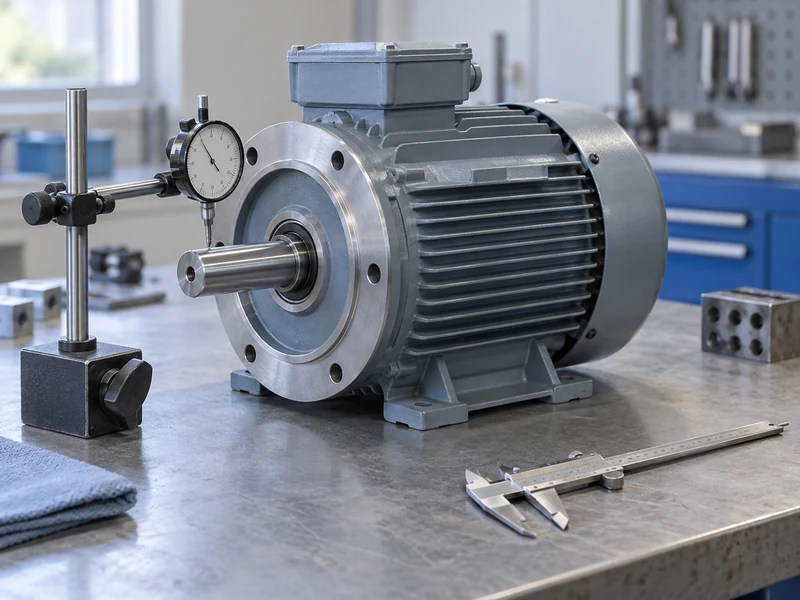
Compare shaft dimensions, key arrangement, mounting faces, bolt locations, coupling position, and the complete installed envelope. Include access for cable termination, cooling connections, guarding, and removal. A replacement that fits the mounting holes can still create a significant installation problem elsewhere.
Use approved drawings and defined datums for the dimensional review. Measurement equipment should be appropriate to the tolerance and feature being checked. NIST’s guidance on dimensional traceability highlights the role of measurement conditions and uncertainty, including thermal effects, in reliable dimensional results.
Mechanical qualification should also address permitted external shaft loads and the support arrangement. Similar shaft diameter does not establish identical bearing capability or acceptable overhung loading. Obtain supplier confirmation where the driven equipment applies loads beyond the torque transmitted through the coupling.
What Electrical Differences Can Prevent Substitution?
Rated voltage, current, connection, pole information, and the electrical model used by the inverter all need review. A replacement can fit physically while requiring a different parameter set or a different drive capability. Do not copy the original settings automatically when the electrical configuration has changed.
Confirm whether the existing inverter supports the proposed motor type and the required operating envelope. Include the software version and any relevant option hardware in the review. Leili’s article comparing FOC and DTC control strategies gives background, but compatibility must be established for the actual system.
The parameter handover should state units and conventions for resistance, inductance, and back-EMF information where those values are needed. If the drive requires an identification procedure, agree who will perform it and under which approved machine conditions. Missing data should remain an open qualification item until resolved.
How Should Feedback and Protection Be Reviewed?
Check the feedback device, electrical interface, connector arrangement, direction convention, and required alignment information. A connector that physically mates is not proof that the signals or pin assignments are compatible. The approved wiring document should describe the actual replacement arrangement.
Temperature sensors and other protective signals need the same level of attention. Verify sensor type, scaling, wiring, and the intended response in the machine controls. Reusing a protection configuration is justified only when it remains correct for the supplied motor and application.
| Qualification Area | Evidence to Compare | Possible Follow-Up |
| Mechanical fit | Approved interface drawing | Coupling or mounting review |
| Electrical model | Defined motor parameters | Drive setup approval |
| Feedback | Interface and wiring details | Configuration verification |
| Protection | Sensor and limit information | Signal and response checks |
| Duty capability | Confirmed operating envelope | Application test or assessment |
Make the approval specific enough that a stores or maintenance team can identify the qualified item. Include suffixes, options, and configuration revisions that affect compatibility. A broad approved manufacturer name does not provide the same control as an approved replacement specification.
Why Should the Actual Duty Be Rechecked?
The machine may have changed since the original motor was selected. Production rate, ramp timing, operating hours, cooling conditions, and process load can all evolve. Qualifying a spare against an outdated duty can reproduce an earlier limitation or approve a replacement for conditions it will not actually see.
Use current operating records to confirm the required continuous and temporary demands. If the replacement has a different thermal arrangement, ask the supplier to assess the real duty rather than comparing only rated power. Leili’s explanation of PMSM overheating causes offers context for identifying relevant thermal questions.
Where the old motor has recurring failures, separate replacement qualification from root-cause investigation. A compatible replacement may still encounter the same damaging conditions if the system problem remains unresolved. Record known issues so that they are not mistaken for unexpected defects in the replacement.
What Condition Checks Matter for a Stored Spare?
A technically compatible spare must also be in suitable condition for installation. Follow the manufacturer’s storage, inspection, and return-to-service instructions for the specific motor. Storage history, environmental exposure, and any handling damage should be reviewed before the maintenance window depends on the spare.
Keep identification and documentation physically or digitally connected to the stored unit. A loose parameter file with an ambiguous name is easy to associate with the wrong motor. Label the asset record with the configuration needed to distinguish approved variants without inventing a universal preservation interval.
Mechanical observations during installation and initial operation should be recorded against a baseline. The related guide to PMSM bearing noise and vibration diagnosis can support investigation when a symptom appears. It should not be used to bypass the supplier’s inspection instructions or to diagnose a stored motor from sound alone.
How Should the Replacement Be Validated at the Machine?
Use an approved return-to-service plan that checks identity, installation, configuration, and representative operation. The scope should reflect the differences identified during qualification. A replacement with changed feedback or electrical parameters needs verification of those changes, not merely proof that the shaft rotates.
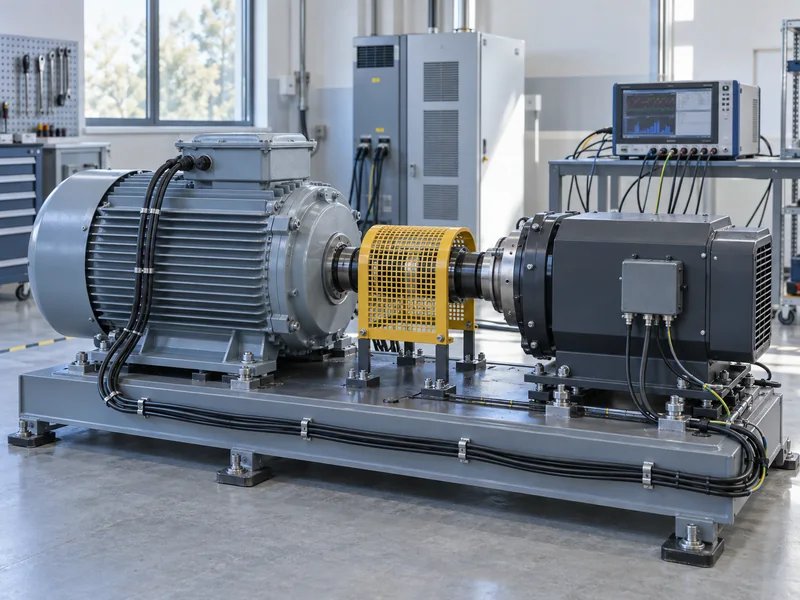
Record the relevant operating conditions and compare them with the approved duty. Confirm that the machine delivers its required process output and that protective signals behave as intended within the authorized test procedure. Any exception should be reviewed before the replacement is added to the approved spare list for future use.
Avoid changing several unrelated settings in response to an unexplained symptom. Preserve the initial observations and determine whether the cause is mechanical installation, wiring, configuration, or the replacement itself. This protects the usefulness of the qualification record and makes the final approval easier to defend.
What Should an Approved Spare Record Contain?
The record should include the exact motor specification, interface drawings, approved parameter set, wiring information, protection details, and the duty for which substitution is permitted. State any required ancillary parts or installation adjustments. Also identify the evidence supporting approval and the person responsible for maintaining it.
For an enquiry within Leili’s industrial motor applications, provide the existing asset information and explain whether the goal is emergency replacement or a planned second-source qualification. Those situations can have different schedule constraints, but neither removes the need to resolve technical differences. A clear package allows the supplier to distinguish a direct replacement proposal from an engineered substitution.
Review the spare record when the machine duty, inverter software, feedback arrangement, or cooling system changes. Qualification is tied to an application and configuration, not to a motor label forever. Keeping that relationship visible helps a replacement reduce downtime without introducing a new integration problem.