
A permanent magnet synchronous motor retrofit should be evaluated as a pump-system change with a defined hydraulic duty, electrical measurement boundary, and installation plan. The new motor must support the required flow and pressure before its energy performance can be compared fairly with the existing arrangement. A successful proposal explains both the expected improvement and how the site will verify it after installation.
What Must Remain the Same in a Fair Comparison?
The useful service delivered by the pump must remain equivalent, or any change must be accounted for explicitly. Lower electrical consumption is not a valid efficiency improvement if the installation simply delivers less required flow. Establish the process demand, acceptable pressure range, fluid condition, and operating schedule before estimating savings.
For a retrofit using Leili permanent magnet synchronous motors, provide the actual pump operating points with the motor enquiry. Include the pump identification and available performance curve rather than relying only on the existing motor size. The installed motor may reflect an old design allowance or a previous process condition that no longer applies.
The comparison also needs a baseline period representative of normal production. Record changes in product mix, system configuration, and pump sequencing during that period. An engineer should be able to understand why the baseline is relevant without relying on the memory of the person who collected the measurements.
Why Should the Hydraulic System Be Reviewed First?
The system determines what the pump must accomplish and can reveal opportunities that a motor-only comparison misses. Valve positions, bypass operation, parallel pumps, and changing process demand all influence the operating point. A more efficient motor cannot by itself correct a hydraulic arrangement that moves unnecessary flow or maintains unnecessary pressure.
The US Department of Energy’s pump-system guidance emphasizes the relationship between supply equipment and demand within the pumping system. Apply that approach by reviewing the required service before choosing a retrofit configuration. It helps separate improvements attributable to the motor from improvements caused by revised pump control or system operation.
Variable speed is not automatically the right answer for every operating state. Static head, minimum flow requirements, pump operating limits, and process stability can restrict useful speed reduction. Ask the pump specialist to confirm the permitted operating range rather than assuming that a general speed-power relationship predicts the complete installation.
Which Baseline Measurements Are Worth Collecting?
Collect measurements that connect electrical consumption to delivered hydraulic service. At minimum, identify input power, operating hours, flow, and the relevant pressure measurements, with time stamps that allow the data to be compared. Document the instruments and their locations so that the post-retrofit test can use a consistent arrangement.
Pressure alone does not establish pump output when flow is unknown, and motor current alone is not a dependable substitute for electrical power. If instrumentation is limited, state the resulting uncertainty in the business case. A transparent estimate is more useful than a precise-looking savings percentage based on incompatible measurements.
| Baseline Item | Reason to Record It | Comparison Requirement |
| Electrical input | Establish consumption | Use the same boundary |
| Flow and pressure | Describe delivered service | Match the required duty |
| Fluid condition | Identify process differences | Record meaningful changes |
| Operating schedule | Convert power to energy | Normalize different hours |
| Control state | Explain operating behavior | Identify valve and speed changes |
Where multiple pumps share the duty, log which machines operate together. A retrofit can change the preferred sequencing, which in turn changes how many hours each motor runs. Keep that operational benefit separate from the motor’s own efficiency improvement so that the final explanation remains credible.
How Should the Mechanical Replacement Be Checked?
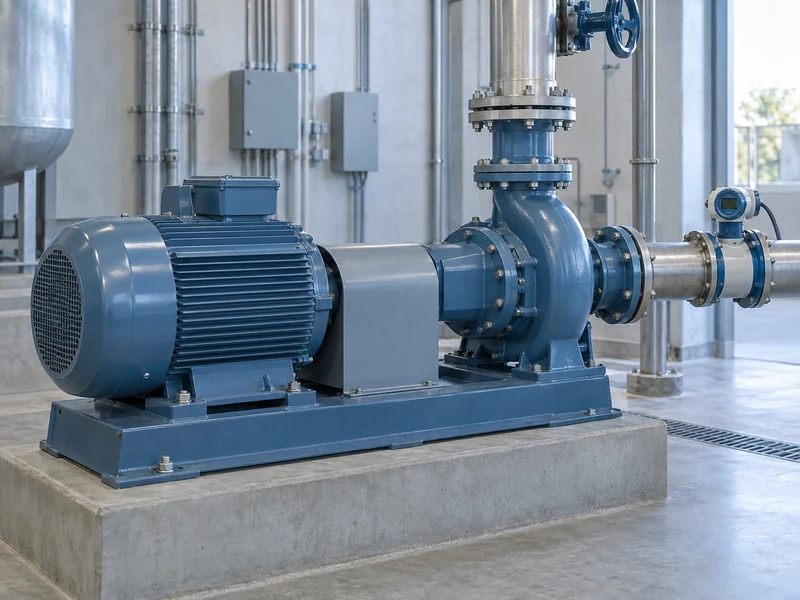
Check shaft, coupling, mounting, alignment access, and the complete installed envelope against approved drawings. A motor that fits the nominal frame description may still require changes to the coupling position, guard, cable route, or maintenance access. Confirm these details before ordering parts for a short shutdown window.
The pump’s external loads and the coupling arrangement must remain within the limits agreed for the replacement motor. Do not assume that similar shaft diameter establishes equivalent bearing capacity or permissible overhung load. If the mounting arrangement changes, review support stiffness and alignment responsibilities with the machine engineer.
Record the mechanical baseline before removal when recurring vibration is already present. This prevents an existing machine problem from becoming an unexplained dispute after the motor is changed. Leili’s related article on PMSM bearing noise and vibration offers background for organizing observations and separating possible causes.
What Electrical Changes Can Affect the Retrofit Scope?
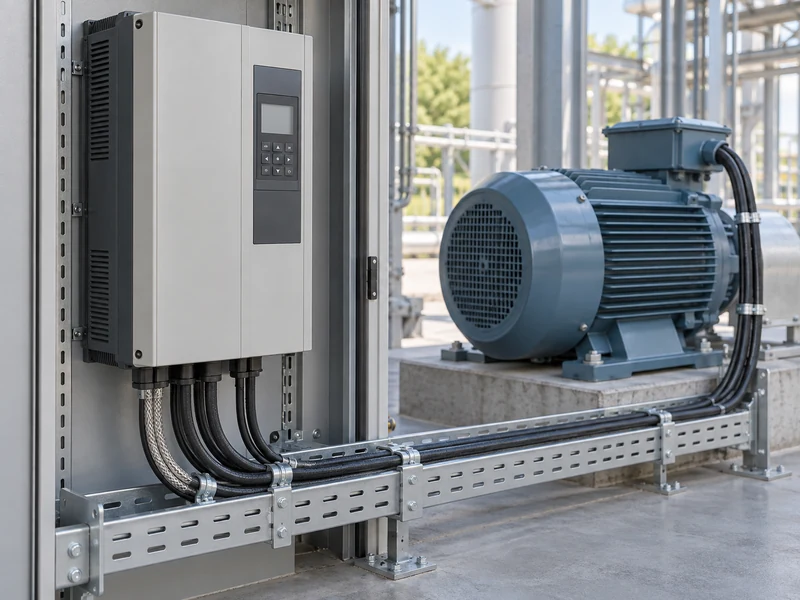
Confirm whether the proposed PMSM requires a compatible inverter and whether the existing drive supports the exact motor arrangement. The electrical scope may include drive replacement, approved parameter setup, protection integration, and cable review. These items belong in the project cost and schedule rather than appearing as commissioning surprises.
The control objective should be defined in process terms, such as maintaining a pressure band or following a flow request. Leili’s comparison of PMSM control strategies can introduce the available concepts, but the integrator must confirm how the chosen drive meets the actual requirement. Specify allowable transients and recovery behavior where they affect production.
Cooling and temperature protection deserve a separate review when the retrofit introduces prolonged reduced-speed operation. The permissible duty depends on the motor construction and cooling arrangement. Use the supplier’s confirmed operating limits, with the article on PMSM overheating causes as supporting context rather than a source of universal settings.
How Can Savings Be Presented Without Overstating Them?
Calculate savings from equivalent operating states and show the assumptions that connect those states to annual hours. If production varies, compare normalized consumption for an agreed amount of useful service or use a documented duty-state model. Avoid presenting the difference between two isolated meter readings as an annual result.
For a calculation exercise, suppose matched-duty measurements show the replacement consuming 1.2 kW less for 3,000 hours of yearly operation; the corresponding reduction would be 3,600 kWh. This calculation says nothing about the percentage improvement until the baseline consumption is known, and it excludes other operating states. The numbers above were chosen to demonstrate the worksheet arithmetic and do not represent measurements from a Leili installation.
List drive losses, cooling auxiliaries, standby consumption, and changed operating hours according to the selected boundary. Then apply the site’s relevant electricity costs and separate any maintenance assumptions. A payback estimate should remain traceable to its inputs so that procurement can see which assumptions have the greatest influence.
What Should the Commissioning Acceptance Test Prove?
The test should demonstrate required hydraulic service, stable control, acceptable mechanical behavior, and operation within confirmed electrical and thermal limits. Agree the test points and measurement method before installation. Include reduced-demand operation when it is expected to account for a significant share of annual running time.
Use the same measurement boundary as the baseline and explain any unavoidable differences. If a different instrument or measurement location is required, assess how that change affects the comparison. Store raw observations as well as the summary so that an unexpected result can be investigated later.
The test should also verify the machine’s expected response to routine operating changes within the approved commissioning procedure. A stable full-output run does not establish satisfactory operation during a normal process transition. Record exceptions and assign a responsible party before declaring the retrofit complete.
What Information Helps a Supplier Make a Useful Proposal?
Send the duty points, baseline data, pump details, mechanical drawings, supply conditions, and expected shutdown duration together. Explain whether the main objective is reduced energy use, improved control, replacement of obsolete equipment, or a combination. Different objectives can justify different engineering choices even on the same pump.
Leili’s industrial applications provide the business context for discussing the motor and integration requirement. Request a proposal that identifies assumptions, required accessories, exclusions, and the evidence offered for the expected operating performance. That structure makes competing proposals easier to compare and reduces the risk of awarding an incomplete scope.
After commissioning, retain the baseline and acceptance records with the final configuration. Revisit the estimate when the process schedule changes significantly instead of assuming that the original annual savings remain fixed. The most useful retrofit result is a verified improvement under documented conditions that the plant can continue to understand and manage.